Emergency Dentist vs Urgent Care: Where Should You Go?
Medically Reviewed by Amer Avdagic, DMD
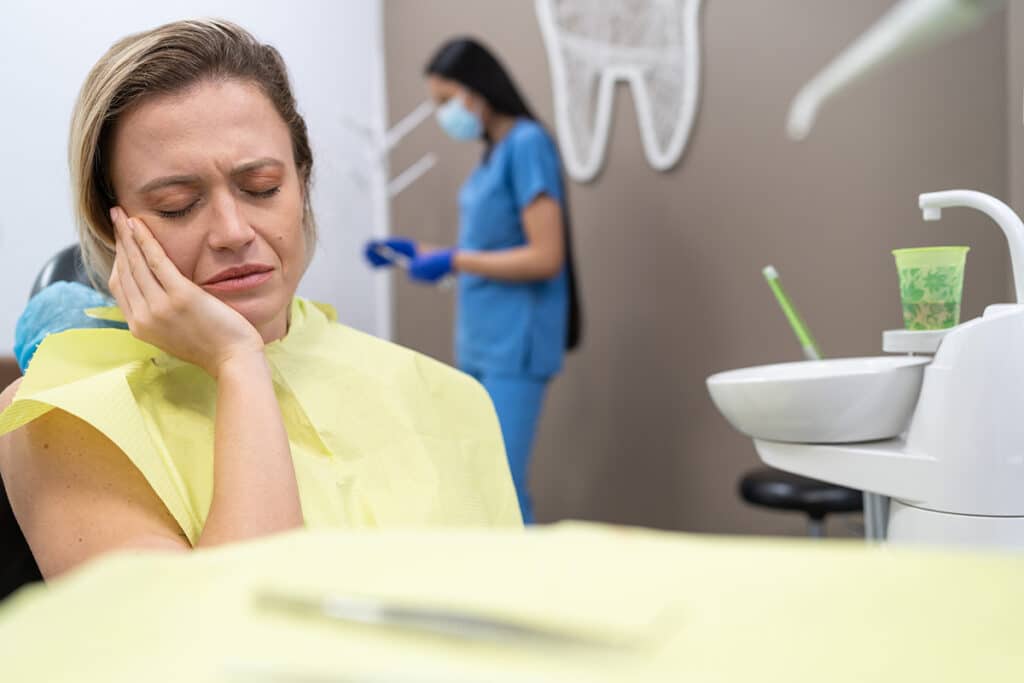
Dental emergencies rarely arrive at a convenient time. A cracked tooth during Sunday dinner or a throbbing toothache that wakes you at 2 a.m. can leave you feeling worried and unsure where to turn. Many people head straight to the nearest urgent care center because it feels like the safest choice. In many cases, though, an emergency dentist is better equipped to relieve your pain and protect your smile.
We want every patient in our community to feel confident when the unexpected happens. In this article, we explain which dental problems an emergency dentist treats best, when urgent care or the emergency room is the right first stop, and how cost, time, and results compare between the two. By the end, you will have a clear plan for the next time a dental emergency catches you off guard.
Dental Problems an Emergency Dentist Is Equipped to Treat
When you are in pain, you deserve care that addresses the cause of the problem rather than only masking the symptoms. Most urgent care centers do not have dentists on staff or the specialized equipment needed to repair teeth. An emergency dentist can diagnose and treat the source of your discomfort, often in a single visit. Common dental emergencies include severe toothaches, knocked-out or loosened teeth, cracked or broken teeth, lost fillings, broken crowns, and painful abscesses or gum infections.
As your trusted emergency dentist in Merrimac MA, we offer same-day emergency visits for sudden dental problems, and Dr. Avdagic is available on our emergency line after hours. We use digital radiographs and CBCT scanning to see exactly what is happening beneath the surface. Our Zeiss microscope helps us perform precise root canal treatment, even in canals that are difficult to see. For broken teeth, our CEREC system allows us to take you from crown prep to a permanent crown in about one hour. The takeaway is simple: for problems involving your teeth and gums, a dentist can usually solve the issue on the spot.
When Urgent Care or the ER Is the Right First Stop
Your safety always comes first, and some injuries call for medical care before dental care. If you have experienced serious facial trauma, such as from a car accident, sports collision, or fall, a medical team should check for head injuries and other concerns. A suspected jaw fracture or dislocation, or bleeding that will not stop after 10 to 15 minutes of firm pressure, also needs prompt medical attention.
Swelling deserves special care. If facial swelling makes it hard to breathe or swallow, or if you have a high fever along with a dental infection, go to the emergency room or call 911 right away. These signs can mean an infection is spreading, and it needs immediate treatment. Once you are stable, we invite you to contact our office so we can treat the underlying dental problem and help you heal completely. In short, choose urgent care or the ER for injuries that affect your overall health, then follow up with your dentist.
Comparing Cost, Time, and Results for Dental Emergencies
We know that when you are hurting, you want relief as quickly and affordably as possible. Urgent care centers and emergency rooms can offer pain medication or antibiotics for a dental problem, but they generally cannot repair a broken tooth, drain an abscess at its source, or perform a root canal. That means you will often pay for a medical visit and still need to schedule a dental appointment afterward. Paying for two visits instead of one can add up, especially when your dental insurance may cover emergency dental care more fully than a medical facility visit.
Time matters too, particularly with a knocked-out tooth, which has the best chance of being saved when a dentist sees you within about an hour. Waiting at urgent care for treatment that only manages symptoms can delay the care that truly fixes the problem. When you come to our office, we focus on diagnosing the cause, relieving your pain, and restoring your tooth, often during the same visit. The bottom line: for most dental issues, an emergency dentist saves you time, money, and a second trip.
Getting the Right Care When It Matters Most
Knowing where to go during a dental emergency can make a stressful moment feel much more manageable. For toothaches, broken teeth, lost crowns, and dental infections, an emergency dentist offers faster, more complete treatment. For serious facial trauma, jaw injuries, uncontrolled bleeding, or swelling that affects your breathing, seek medical care first and then reach out to us for follow-up. We recommend saving our phone number, 978-346-4610, in your contacts today so help is always close at hand. We look forward to being there for you and your family whenever you need us.
Frequently Asked Questions About Emergency Dentistry
What counts as a dental emergency?
A dental emergency is any situation that causes severe pain, bleeding, or damage to your teeth or gums. Common examples include a knocked-out tooth, a cracked or broken tooth, a lost crown or filling, a painful abscess, and a toothache that keeps you awake. If you are unsure whether your situation is urgent, we encourage you to call our office so we can help you decide.
What should I do if my tooth gets knocked out?
Pick the tooth up by the crown, not the root, and gently rinse it without scrubbing. If you can, place it back in the socket and hold it there, or keep it in a small container of milk or your own saliva. Contact us right away, since a tooth has the best chance of being saved when treated within about an hour.
Can urgent care treat a toothache?
Urgent care can usually offer temporary relief, such as pain medication or antibiotics for an infection. However, most urgent care centers cannot repair teeth or treat the cause of the pain. An emergency dentist can diagnose the problem and provide lasting treatment, often in the same visit.
How can I manage dental pain until I see a dentist?
Rinse your mouth with warm salt water and apply a cold compress to the outside of your cheek to ease swelling. Over-the-counter pain relievers can help if taken as directed. Avoid placing aspirin directly on your gums, as this can irritate the tissue.
Do you see dental emergencies outside of regular office hours?
Yes, we understand that emergencies do not follow a schedule. We offer same-day emergency visits during office hours, and patients can reach Dr. Avdagic after hours on our emergency line. We will guide you on the next steps and get you the care you need as soon as possible.
At Greater Essex Dental, we provide high-quality, patient-centered care in a warm and modern environment in downtown Merrimac, MA. Led by Dr. Amer Avdagic, DMD, our team proudly serves individuals and families of all ages, from children to older adults, with services ranging from routine cleanings to emergency dentistry. We look forward to welcoming you into our practice family and invite you to schedule an appointment with us today.