Can Receding Gums Grow Back Naturally?
Medically Reviewed by Amer Avdagic, DMD
Many patients who sit in our chair are surprised to learn that their teeth look a little longer than they used to. You might notice a tooth that seems taller than its neighbors, a new sensitivity to cold drinks, or a small notch near the gumline. These are often early signs of gum recession, and they understandably lead many people to search for natural ways to help their gums grow back. We hear this question often, and we always want our patients to feel informed and confident about what is happening in their mouths.
In this article, we explain what gum recession is and what causes it. We also share why gum tissue does not regrow on its own and which professional treatments can protect your smile. Whether you have just noticed a change or have been living with sensitive teeth for years, our goal is to give you clear, honest answers. We also want you to know that recession can be managed with the right care and a team that treats you like family.
What Gum Recession Is and Why It Happens
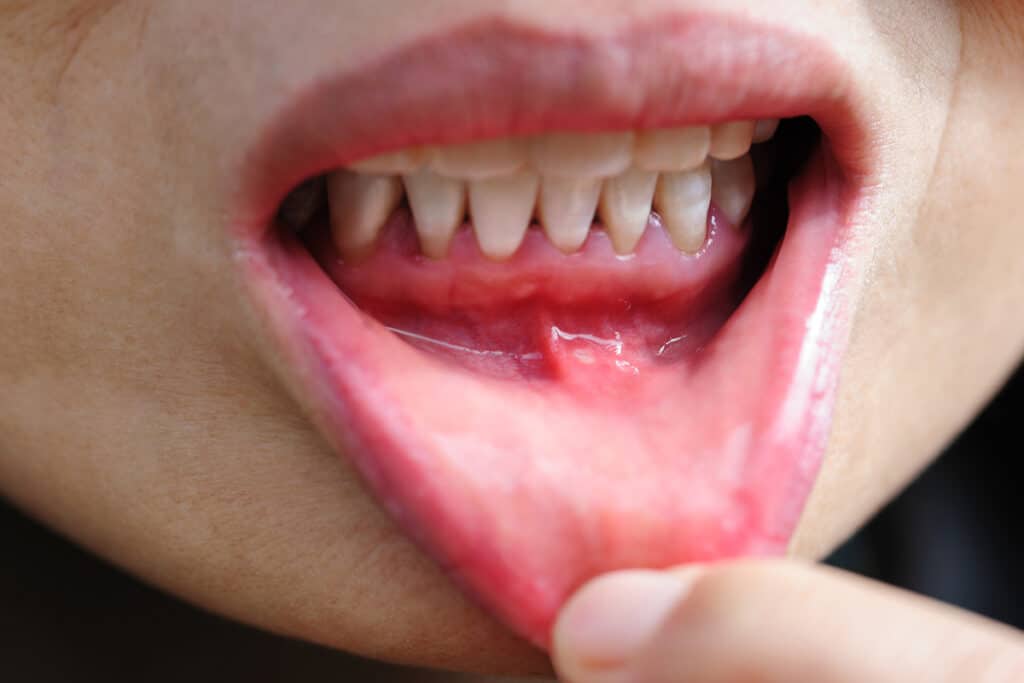
Gum recession happens when the gum tissue around your teeth slowly pulls back and exposes more of the tooth or its root. Because the change is gradual, many people do not notice it until sensitivity or a change in appearance catches their attention. The exposed root surface does not have the protective enamel that covers the crown of the tooth. That is why recession often brings discomfort with hot, cold, or sweet foods.
Several factors can contribute to receding gums, and most patients have more than one at play. Periodontal disease is one of the most common causes. Bacteria in plaque and tartar irritate the gums and gradually break down the tissue and bone that support your teeth. Other contributors include brushing too hard with a stiff-bristled toothbrush, grinding or clenching your teeth, tobacco use, hormonal changes, and genetics. Crooked or misaligned teeth can also play a role, because uneven pressure affects how the gums hold up over time. Understanding your personal risk factors is the first step toward protecting the healthy tissue you still have.
Why Gums Cannot Grow Back on Their Own
We understand how appealing natural remedies can be, and we want to answer this question gently but honestly. Once gum tissue has receded, it does not grow back on its own. Oil pulling, herbal rinses, green tea, and special toothpastes may support good oral hygiene, but none of them can rebuild lost gum tissue. Unlike skin that heals after a small cut, the gum tissue around your teeth does not regenerate once it pulls away from the root.
The good news is that you have more control than you might think. With early attention and consistent care, we can often stop recession from getting worse and keep your gums healthy and comfortable for years to come. Brushing gently with a soft-bristled brush, flossing daily, and keeping up with regular cleanings all help reduce the bacteria that drive gum disease. Avoiding tobacco and addressing teeth grinding also make a real difference. Healthy habits at home will not reverse recession, but they are your best partner in protecting what you have. They also help any professional treatment work as well as possible.
Professional Treatment Options That Protect Your Smile
When patients come to us with concerns about gum recession, we start with a conversation rather than a procedure. Each new patient meets with Dr. Avdagic first, which gives us time to listen to your concerns and learn about your health history. Together, we build a care plan that fits your needs and comfort level. We use digital radiographs and a thorough periodontal exam to measure the health of your gums and check for signs of bone loss. This allows us to see exactly what is happening below the gumline.
For patients whose recession is linked to gum disease, scaling and root planing is often the first and most important step. This deep cleaning removes plaque and tartar from above and below the gumline. It also smooths the root surfaces so your gums have a cleaner, healthier place to reattach and heal. After treatment, our periodontal maintenance program helps keep your gums stable with regular, more frequent cleanings tailored to your needs. If your recession is more advanced, we will talk through every option with you, including whether a gum grafting procedure may benefit you. To learn more about how we approach care for receding gums in Merrimac MA, we invite you to explore our periodontal services and reach out with any questions.
Taking the Next Step Toward Healthier Gums
Receding gums cannot grow back naturally, but that does not mean you are out of options. With early detection, gentle daily habits, and professional care like scaling and root planing, we can help stop recession in its tracks and keep your smile strong and comfortable. The sooner we see you, the more healthy tissue we can help you protect. If you have noticed sensitivity, longer-looking teeth, or bleeding gums, we invite you to visit our office in downtown Merrimac. We look forward to getting to know you and creating a plan that helps you feel confident about your gum health for years to come.
Frequently Asked Questions About Periodontal Procedures
What is scaling and root planing, and does it hurt?
Scaling and root planing is a deep cleaning that removes plaque and tartar from above and below the gumline, then smooths the root surfaces so your gums can heal. We understand that the idea of a deep cleaning can feel intimidating, so we focus on keeping you comfortable throughout your visit. Most patients feel only mild tenderness for a day or two afterward. Many also notice that their gums feel healthier and bleed less within a few weeks.
How do I know if I need periodontal treatment?
Common signs include gums that bleed when you brush or floss, persistent bad breath, swollen or tender gums, loose teeth, and teeth that look longer than before. Some patients have no symptoms at all, which is why routine exams are so important. During your visit, we measure the spaces between your teeth and gums and review your digital radiographs. This helps us determine whether periodontal treatment would benefit you.
What is periodontal maintenance, and how is it different from a regular cleaning?
Periodontal maintenance is an ongoing cleaning program designed for patients who have been treated for gum disease. While a regular cleaning focuses mostly on the surfaces above the gumline, periodontal maintenance also addresses the areas below the gumline where bacteria tend to return. These visits are usually scheduled more often than standard cleanings, typically every three to four months. This schedule helps keep your gums stable and healthy over the long term.
Can periodontal procedures stop my gums from receding further?
In many cases, yes. When recession is caused by gum disease, removing the bacteria and tartar that irritate the gums can help stop the condition from progressing. Treatment works best when it is paired with gentle brushing, daily flossing, and regular maintenance visits. We also look at other contributing factors, such as teeth grinding, so we can address the full picture of your gum health.
Are periodontal procedures right for patients of all ages?
Gum disease and recession are more common in adults, but they can affect people at almost any age. We treat individuals of all ages, from younger patients to older adults, and we tailor every care plan to each person's health and comfort. Our team takes time to explain your options in plain language. That way, you can make decisions about your care with confidence.
At Greater Essex Dental, we provide patient-centered care for individuals and families of all ages in a warm, modern environment in downtown Merrimac, MA. Led by Dr. Amer Avdagic, DMD, our team offers general, restorative, cosmetic, and periodontal care using advanced technology and a personal touch. We invite you to schedule an appointment and look forward to welcoming you to our practice family.