
How to Know If You Need a Deep Cleaning Instead of a Regular Cleaning
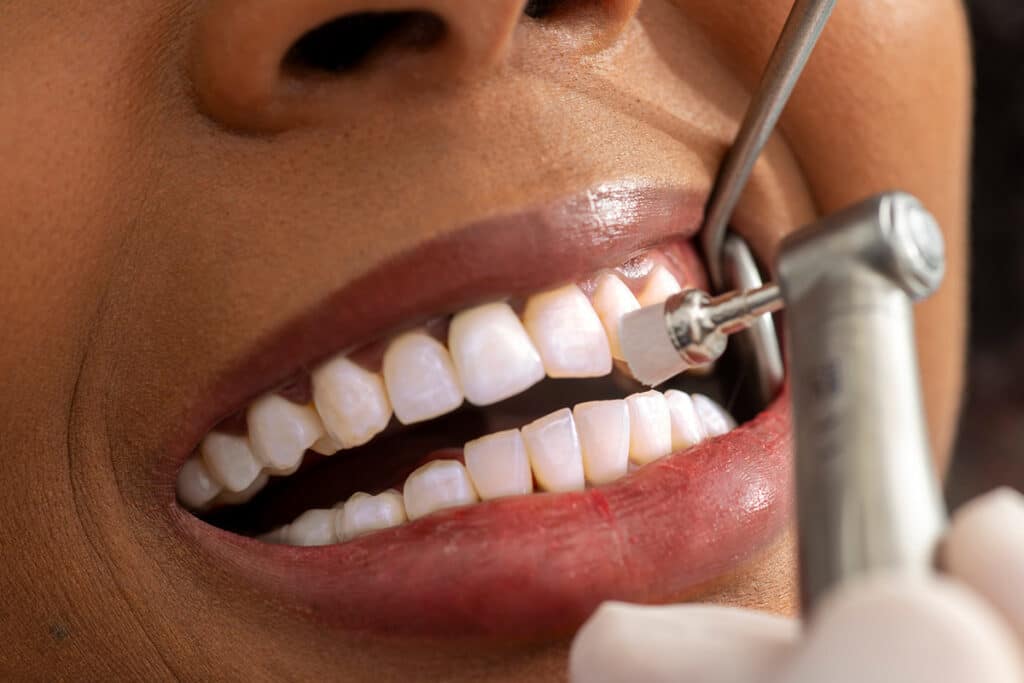
Keeping your smile healthy starts with knowing what kind of dental care you need. We often see patients who assume every cleaning is the same, but that is not always the case. A regular cleaning helps remove plaque and surface buildup above the gumline. A deep cleaning goes further and treats problems that develop below the gums, where harmful bacteria can affect the tissues and bone that support your teeth.
We want you to feel informed before your visit. In this guide, we will explain the difference between a regular cleaning and a deep cleaning, the signs that may point to gum disease, and what we look for during an exam. When you know what to watch for, you can take action early and protect your long-term oral health.
What a Deep Cleaning Treats That a Regular Cleaning Does Not
The difference matters. We recommend a regular cleaning when your gums are healthy, and the buildup is mostly on the visible surfaces of your teeth. During that visit, we remove plaque and tartar above the gumline, polish your teeth, and help you maintain a clean, healthy mouth. This type of preventive care is an important part of routine dentistry.
A deep cleaning is different because it treats infection and buildup below the gumline. This procedure is often called scaling and root planing. We use it when gum pockets have formed around the teeth and bacteria have settled under the gums, where a regular cleaning cannot reach. If we find signs of periodontal disease, we may discuss treatment through our periodontics services so we can help stop the infection and support gum healing. The key takeaway is simple: regular cleanings prevent problems, while deep cleanings treat active gum disease.
Signs You May Need a Deep Cleaning
Some signs are easy to spot. Others are only clear during a dental exam. One of the most common warning signs is bleeding gums, especially when you brush or floss. Healthy gums should not bleed often. You may also notice redness, swelling, tenderness, or persistent bad breath that does not improve with brushing. These symptoms can point to bacteria collecting below the gumline.
We also look for gum recession, loose teeth, and deeper spaces between the teeth and gums. For example, if you have not had a cleaning in several years and tartar has hardened near the gumline, a regular cleaning may not be enough. In another common scenario, a patient comes in because their gums feel sore and their breath seems off, even though they brush daily. When we measure the gums and find deeper pockets, that often tells us a deep cleaning is the right next step. If you only do one thing, pay attention to bleeding gums and changes in how your mouth feels. Those early signs are worth checking.
What We Look for During Your Exam
We begin with clarity. Before we recommend a deep cleaning, we perform an exam to understand the health of your gums and supporting bone. We check for plaque and tartar buildup, look for inflammation, and measure the depth of the spaces around each tooth. These measurements help us see whether bacteria have moved below the gumline and whether your gums are beginning to pull away from the teeth.
We may also take dental X-rays to check the bone levels around your teeth. This matters because gum disease can damage bone over time, often without causing severe pain at first. A patient may feel fine and still have developing periodontal issues. That is why an exam is so important. We do not base treatment on guesswork. We base it on what your gums, teeth, and bones are telling us. The takeaway here is that the need for a deep cleaning comes from clear clinical findings, not from symptoms alone.
What to Expect if We Recommend a Deep Cleaning
We want treatment to feel manageable. If we recommend a deep cleaning, we will explain why and walk you through each step. A deep cleaning removes tartar, plaque, and bacteria from below the gumline and smooths the tooth roots so the gums can reattach more easily. Depending on your needs, we may treat one section of the mouth at a time to keep you comfortable.
After treatment, you may have mild tenderness or sensitivity for a short time, but many patients find the process easier than they expected. The goal is to reduce inflammation, help the gums heal, and lower the risk of future damage. We will also give you home care guidance and recommend follow-up visits if needed. Here is the simplest way to think about it:
- Regular cleaning: preventive care for healthy gums
- Deep cleaning: treatment for gum infection below the gums
- Follow-up care: support for healing and long-term stability
When we treat gum disease early, we can often help patients avoid more advanced problems later.
Protecting Your Gums Starts with the Right Care
The right cleaning makes a difference. If your gums bleed, feel tender, or seem to be pulling away from your teeth, it may be time to look closer. A regular cleaning is an excellent preventive tool, but it cannot treat buildup and infection below the gumline. That is where a deep cleaning can help protect your teeth, gums, and bone.
We are here to make the process clear and comfortable. If you have noticed symptoms or it has been a while since your last visit, the next step is a dental exam. When we catch gum disease early, we can often treat it more simply and help you return to a healthier, more comfortable smile.
Frequently Asked Questions About Periodontal Procedures
What is the difference between a deep cleaning and periodontal maintenance?
A deep cleaning is the initial treatment used to remove bacteria and tartar from below the gums when gum disease is present. Periodontal maintenance is the ongoing care we provide after treatment to help keep the condition stable and reduce the chance of reinfection.
Are periodontal procedures painful?
We focus on your comfort throughout treatment. Many periodontal procedures involve local anesthesia to numb the area, and patients often describe the experience as manageable. Some tenderness afterward is normal, but it is usually temporary.
How do we know if periodontal disease is mild or advanced?
We determine this through a full exam. We measure gum pocket depth, look for bleeding and inflammation, and review X-rays to assess bone levels. These findings help us understand how far the disease has progressed and what treatment will help most.
Can gum disease be reversed?
In its earliest stage, called gingivitis, gum disease can often be reversed with professional care and improved home habits. Once it progresses to periodontitis, we can manage it and control the damage, but we cannot fully reverse all tissue and bone loss.
How often do we need periodontal follow-up visits after treatment?
That depends on your gum health and risk factors. Many patients with a history of periodontal disease benefit from maintenance visits every three to four months. We recommend a schedule based on how your gums respond after treatment.
At Greater Essex Dentistry, we are proud to provide patient-centered dental care for individuals and families throughout our community. Our team focuses on prevention, comfort, and long-term oral health, so you can feel confident in every stage of your care. To schedule a visit or learn more, contact us.