What's the Difference Between Mini Implants and Traditional Implants?
Losing a tooth can feel like a big deal, and choosing how to replace it can feel even bigger. We understand that, and we want you to feel informed before you make any decision about your smile. When patients ask us about replacing missing teeth, the conversation often turns to one common question: Should they choose mini implants or traditional implants?
Both options can restore your smile, your bite, and your confidence. They simply do it in slightly different ways. In this article, we'll walk you through what each option involves, how they compare, and how to think about which one might fit your needs. Our goal is to give you clear, honest information so you feel comfortable when it's time to talk through your choices with us.
What Traditional Dental Implants Are
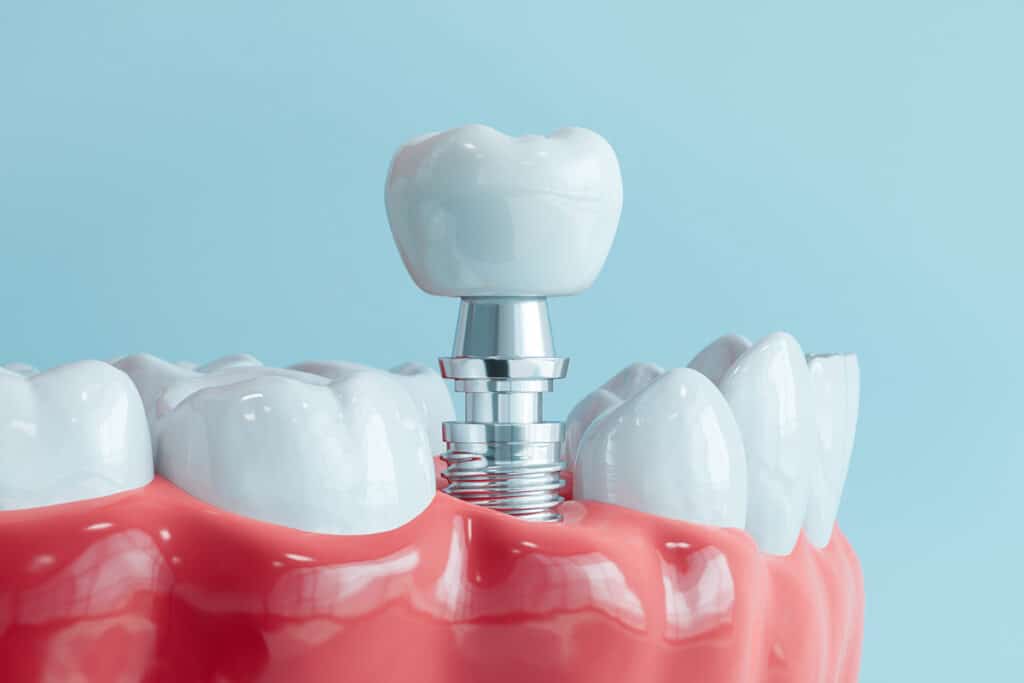
Traditional dental implants are the most familiar option for replacing missing teeth and their roots. Each implant is a small titanium post that we place into the jawbone where a tooth used to be. Over time, the post fuses with the bone, creating a stable foundation for a crown, bridge, or full arch replacement.
This sturdy base is one of the biggest reasons people choose traditional implants. Because the post is wider and sits firmly in the bone, it can support a single tooth or a larger restoration with confidence. If you're missing one tooth or several, traditional dental implants often provide a long-lasting, natural-feeling result. The placement does require enough healthy bone to anchor the post, which is something we evaluate carefully during your visit.
What Mini Dental Implants Are
Mini dental implants follow the same basic idea, but on a smaller scale. As the name suggests, these posts are narrower than traditional implants. That smaller size makes them a helpful choice when there isn't quite enough bone for a standard implant, or when a less involved procedure is preferred.
Because mini implants are smaller, the placement process is often quicker and gentler. Many patients appreciate that mini implants can sometimes be placed in a single visit with a shorter recovery time. They're frequently used to stabilize dentures, giving you a more secure fit without the slipping that can make eating and speaking frustrating. We want every patient to feel steady and confident, and for some, mini implants make that possible when other options aren't ideal.
How the Two Options Compare
The main differences come down to size, strength, and the situation each one suits best. Traditional implants are wider and stronger, which makes them well-suited for supporting individual crowns, bridges, and larger restorations that take on heavy chewing forces. Mini implants are thinner, which makes them a gentler option that works well for securing dentures or fitting into areas with limited bone.
Recovery and timing can differ, too. Traditional implants usually involve a healing period while the post fuses with the bone, so the full process can take a few months. Mini implants often allow for faster placement and a quicker return to daily life. Cost can also vary, and the right choice depends on your bone health, the teeth you're replacing, and your long-term goals.
Here's a simple way to think about it:
- Choose traditional implants when you want maximum strength, you're replacing one or more teeth, and you have enough healthy bone.
- Choose mini implants when you want a less involved procedure, you're stabilizing dentures, or you have limited bone in the area.
There's no single "best" answer for everyone. Each person's mouth, bone structure, and needs are different, which is why we look at your situation individually before recommending a path forward.
Finding the Right Fit for Your Smile
The good news is that you don't have to figure this out alone. When you visit us, we'll examine your mouth, review your bone health with advanced imaging, and talk through what matters most to you. From there, we can explain which option fits your needs and why. Dr. Avdagic has earned fellowships in implantology, and he uses that experience to make the process comfortable and clear for every patient.
Whether you choose mini or traditional implants, our aim is the same: a healthy, confident smile that feels like your own. We'll answer your questions, address any concerns about comfort, and help you understand each step before it happens. You deserve to feel calm and cared for, and we're here to make that easier.
Frequently Asked Questions About Dental Implants
Are dental implants painful?
Most patients are surprised by how comfortable the process is. Thanks to careful techniques and modern methods, the implant procedure involves nearly no pain. We'll keep you comfortable throughout and explain what to expect at every stage.
How long do dental implants last?
With good care, dental implants can last many years and often a lifetime. Brushing, flossing, and regular checkups help keep your implants and gums healthy. We'll guide you on simple habits that protect your investment.
Can mini implants support dentures?
Yes, mini implants are often used to stabilize dentures. They help your dentures stay securely in place, which makes eating and speaking easier. Many patients enjoy the added confidence that comes with a steadier fit.
Do I have enough bone for a dental implant?
That depends on your individual bone health, which we evaluate with imaging during your visit. If you have limited bone, mini implants may be a good option. We'll talk through your choices honestly and recommend what fits you best.
How do I know which type of implant is right for me?
The right choice depends on your bone, the teeth you're replacing, and your goals. We'll examine your mouth, listen to your concerns, and explain your options clearly. Together, we'll find the solution that feels right for you.
At Greater Essex Dental in Merrimac, MA, we provide warm, patient-centered care for individuals of all ages, from children to seniors. Led by Dr. Amer Avdagic, DMD, our team offers general, restorative, cosmetic, and implant dentistry in a comfortable, welcoming environment. We'd love to help you restore your smile—schedule an appointment with us today.