
What Are the Different Stages of Gum Disease?
Welcome to our comprehensive guide on understanding your periodontal health. At Greater Essex Dental, we care for our patients as individuals and strive to meet your needs in every way possible. One of the most common issues we help our patients navigate is periodontal disease, commonly known as gum disease. This condition starts quietly but can significantly impact your oral health if left unaddressed. We want to empower you with the knowledge to recognize the early warning signs so we can work together to protect your smile.
Gum disease begins when sticky plaque, a film of bacteria, constantly forms on your teeth. If brushing and flossing do not remove this plaque adequately, it hardens into tartar, leading to an infection of the tissues that hold your teeth in place. The progression of this condition happens gradually, moving through distinct phases that range from mild gum inflammation to severe bone damage. By understanding the different stages of gum disease, you can take proactive steps to maintain a healthy, welcoming smile for years to come.
The Initial Stage: Understanding Gingivitis
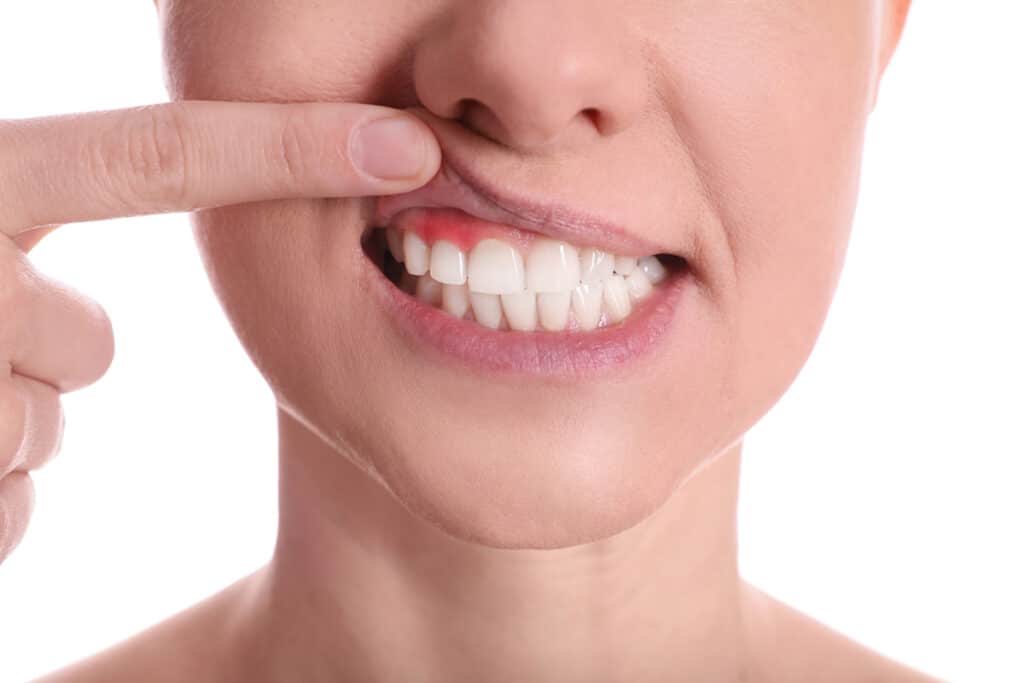
The first stage of gum disease is called gingivitis. This phase occurs when plaque builds up along the gumline, irritating the soft tissues. You might notice that your gums look red and swollen, or they might bleed slightly when you brush or floss your teeth. While seeing blood in the sink can feel alarming, gingivitis is the only stage of periodontal disease that is entirely reversible. Because the infection has not yet reached the underlying bone or connective tissues, prompt intervention can clear up the problem completely.
During this early stage, many patients do not experience any pain, which makes regular dental checkups essential. Our professional and friendly staff can easily spot the early signs of gingivitis during a routine exam. We will thoroughly clean your teeth to remove plaque and tartar buildup, and we will guide you on improving your daily oral hygiene routine. By brushing twice a day, flossing daily, and visiting our office for regular cleanings, we can help you stop gingivitis in its tracks before it progresses to a more serious condition.
The Second Stage: Recognizing Periodontitis
If gingivitis remains untreated, it advances to the second stage: periodontitis. At this point, the bacterial infection spreads deeper beneath the gumline, triggering an inflammatory response in your body. Your immune system fights the bacteria, but this battle produces toxins that begin to break down the bone and connective tissues holding your teeth firmly in place. Your gums may start to pull away from your teeth, forming small spaces called periodontal pockets. These pockets trap even more food particles and bacteria, accelerating the infection.
Unlike gingivitis, the damage caused by periodontitis is irreversible. However, our skilled dental team can halt the progression of the disease and effectively manage your condition. We offer specialized gum disease treatment designed to thoroughly clean out the periodontal pockets and smooth the root surfaces of your teeth. This specialized care prevents further bone loss and helps your gums reattach to your teeth. We provide the highest-quality care available using updated technology to ensure your comfort while we restore your oral health.
The Final Stage: Advanced Periodontitis
The most severe stage is advanced periodontitis. When the disease reaches this level, the infection has caused extensive destruction to the supporting bone and periodontal ligaments. Because the foundation is severely weakened, your teeth may become loose, shift out of alignment, or even fall out entirely. You might experience significant pain when chewing, notice severe bad breath, or see pus forming between your teeth and gums. Advanced periodontitis not only threatens your smile but also impacts your overall health, as the severe infection can enter your bloodstream and affect other systems in your body.
Treating advanced periodontitis requires comprehensive, professional intervention. At this stage, standard cleanings are no longer sufficient to manage the infection. Our compassionate staff will evaluate your specific situation to determine the best course of action. We may need to recommend surgical interventions or tooth extractions if the teeth cannot be saved. We understand that facing advanced dental issues can feel overwhelming, but our team handles patient issues with compassion and skill. We will walk you through every step of the process, ensuring you understand your options for restoring your mouth to a healthy, functional state.
Protecting Your Smile for a Lifetime
Maintaining healthy gums requires a partnership between your daily home care routines and our professional dental services. Recognizing the early symptoms of gum irritation gives us the best opportunity to reverse the condition before it causes lasting damage. We encourage you to pay close attention to how your gums look and feel, and to never ignore signs like redness, swelling, or bleeding during your morning brushing routine.
We look forward to having you as a patient and thank you for selecting us for your dental care needs. Our primary goal is to provide a welcoming environment where you feel comfortable discussing your oral health concerns. By scheduling regular comprehensive exams and cleanings with our office, we can monitor your periodontal health closely. Together, we will ensure your gums remain strong and healthy, providing a solid foundation for a beautiful smile that lasts a lifetime.
Frequently Asked Questions About Periodontal Procedure
What is a periodontal procedure?
A periodontal procedure refers to various treatments designed to restore health to the tissues that support your teeth, primarily the gums and underlying bone. When you develop periodontitis, standard teeth cleanings cannot reach the bacteria trapped deep beneath the gumline. Periodontal procedures, such as scaling and root planing, involve meticulously removing plaque and tartar from deep periodontal pockets and smoothing the tooth roots. This process helps your gums heal and firmly reattach to the teeth, preventing further bone loss.
Does scaling and root planing hurt?
Patient comfort is always our top priority. Before we begin any deep cleaning or periodontal procedure, we use local anesthesia to numb the targeted areas of your mouth. You may feel some pressure or movement during the treatment, but you should not experience sharp pain. Our staff uses a gentle touch and updated technology to ensure your visit is as comfortable as possible. After the procedure, you might experience mild sensitivity or tenderness for a few days, which you can easily manage with over-the-counter pain relievers.
How long does it take to recover from gum treatment?
Recovery times vary depending on the specific periodontal procedure you receive and the severity of your gum disease. For non-surgical treatments like scaling and root planing, most patients resume their normal daily activities immediately. You might notice some minor swelling, slight bleeding, or temperature sensitivity for a few days up to a week. We will provide you with detailed aftercare instructions, including what foods to avoid and how to clean your teeth gently as your gums heal.
Can I prevent the need for periodontal procedures?
Yes, you can absolutely prevent the need for advanced periodontal treatments by maintaining excellent oral hygiene habits. Brushing your teeth twice a day with a soft-bristled toothbrush and flossing daily removes the plaque that leads to gum disease. Additionally, visiting our office for routine dental cleanings and exams every six months is crucial. These regular visits allow us to remove hardened tartar that your toothbrush cannot eliminate and catch early signs of gingivitis before it progresses into periodontitis.
How often should I get my gums checked after treatment?
Once you complete a periodontal procedure, we will likely recommend a specialized maintenance schedule. Instead of the standard six-month checkup, we usually ask patients to visit us for periodontal maintenance cleanings every three to four months. Because gum disease is a chronic condition, these frequent visits allow us to carefully monitor your healing, clean out any new bacteria in your periodontal pockets, and ensure the infection does not return. We will customize a maintenance timeline that best supports your ongoing oral health.
Welcome to Greater Essex Dental, where Dr. Avdagic and our friendly, professional staff are dedicated to providing you with the highest-quality dental care in a comfortable environment. We care for our patients as individuals, offering personalized treatments using updated technology to keep your smile healthy and bright. To learn more about our services or to schedule an appointment, please reach out to our conveniently located office today.